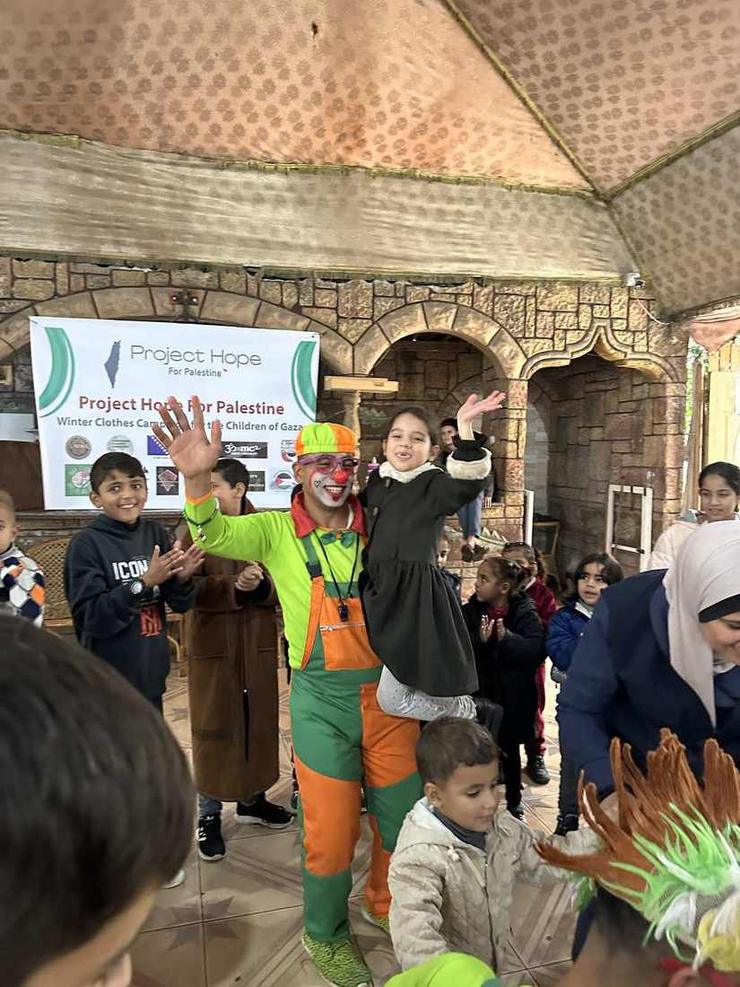
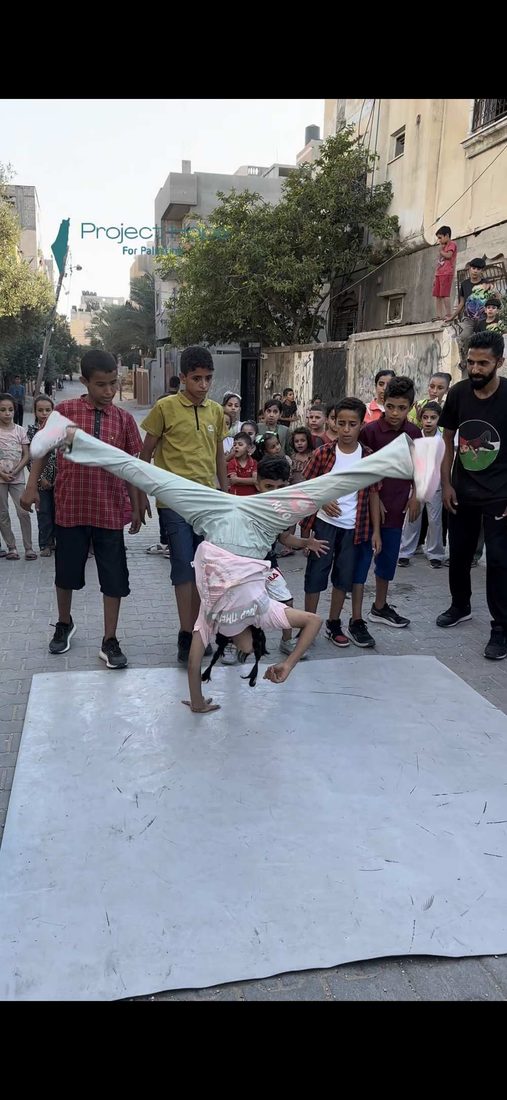
The sessions are simple on purpose: a cleared patch of ground, music, a set of games, and two or three hours in which nothing is being asked of the children who come. They run in the camps where there is least to do, which is usually also where the families have moved most often.
They are run by the performers in our artists program. That is deliberate twice over — it keeps working artists working, and it means the sessions are led by people who are good at holding a crowd of children rather than by visitors who are not.
Why play is not the soft part
Children who have been displaced repeatedly lose the ordinary rhythm that makes childhood legible: school, friends who stay in one place, a week that looks like the last one. A session that happens on the same day, in the same place, with the same people, restores a small piece of that rhythm. The content matters less than the repetition.
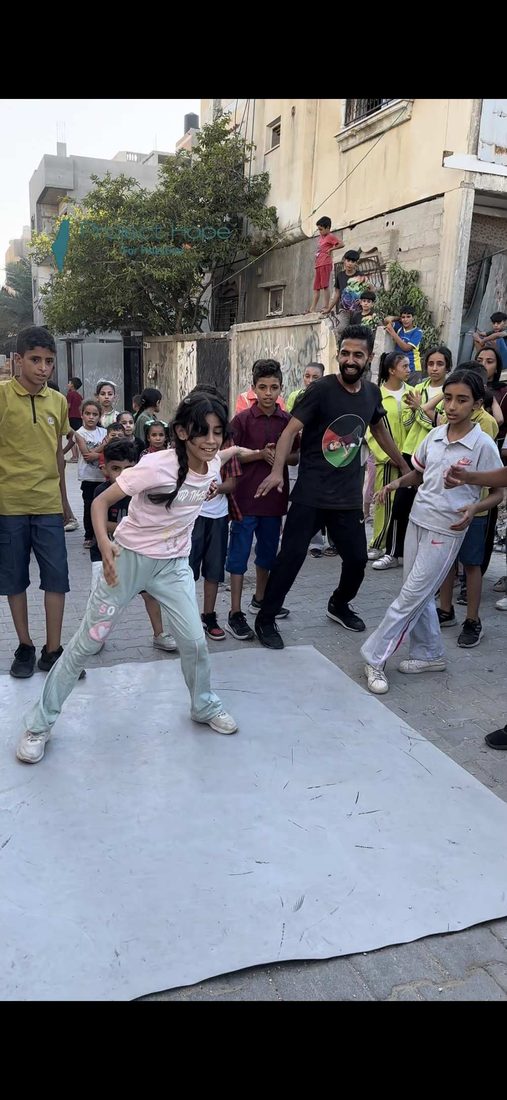
We run the sessions alongside the orphans program, so the children who have the fewest adults looking out for them are on the list rather than left to find their own way in.
The cost of a session is mostly the artists’ time and the transport. It is one of the least expensive things we do and one of the few that children ask for by name.